
Articles on women's health & longevity
Dive into the most common questions regarding feminine health. Get answers about how to lead a longer and healthier life. - or Subscribe To Our Weekly Newsletter
Exploring the 34 Symptoms of Perimenopause: A Natural Guide
Perimenopause is a key stage in a woman's life. It comes before menopause, when menstrual periods stop. During this time, a woman's ovaries slowly make less estrogen. This hormone helps control reproduction. Perimenopause can start in the mid-30s to 50s and last for years or even a decade.
Women should learn about perimenopause symptoms. These can include changes in periods, hot flashes, trouble sleeping, and shifts in sexual function. Emotionally, women may feel mood swings, more anxiety, or sadness. Knowing these signs helps women deal with perimenopause better. They can get help from doctors, make lifestyle changes, or try therapy. This can improve life quality during this time. With good management, women can face perimenopause challenges and stay healthy as they move towards menopause.
Common Symptoms
1. Irregular Periods
Perimenopause is when women go through changes before menopause. During this time, their periods may change. They can get shorter or longer than before.Missed periods are a common sign of perimenopause. Women might skip their periods for a month or more. While this can be worrying, it's usually normal during this stage of life. Changes in how much women bleed are also common. Some may have heavier periods, while others might have lighter ones than usual.
These changes are natural as the body moves toward menopause. But if the changes are big or troubling, it's important to talk to a doctor. Knowing about these shifts can help women handle perimenopause better.
2. Hot Flashes
Many people feel sudden waves of heat that mostly hit the face, neck, and chest. This strong warmth can be very intense, making these areas feel much hotter than usual, which is hard to ignore. Often, this feeling comes with sweating, as if the body's internal thermostat is set too high. The amount of sweat can range from a little to a lot, based on the person and the situation. The mix of heat and sweat can get uncomfortable, sometimes making you stop what you're doing to cool down.
3. Night Sweats
Hot flashes are sudden warm feelings, often in the head and neck. They can be worse at night, causing heavy sweating or night sweats. The heat can be mild to very strong. These hot flashes can wake you up, sometimes many times a night. This can mess up your sleep and make you feel very tired during the day. It can also make you moody and less focused. Worrying about when hot flashes will happen can be stressful. You might fear not getting enough good sleep.
Knowing how to handle hot flashes is important. It helps you keep a healthy sleep routine and stops them from ruining your sleep. Good sleep helps you do well during the day.
4. Vaginal Dryness
Lower levels of estrogen, a key hormone for women's health, can make the walls of the vagina thinner. This is called vaginal atrophy. When this happens, the vagina may also get drier because it loses its natural moisture. This dryness can cause discomfort and make intimate moments painful, leading to more problems.
In addition, the thinning walls can get inflamed, a condition known as vaginitis. It can cause itching, burning, and irritation, which can be very annoying. These issues often affect women after menopause when their bodies make less estrogen. But younger women can have these problems too, due to health conditions or treatments that change hormone levels.
5. Breast Tenderness
Hormones can make your breasts swell and feel sore. This happens often during your period, when you're pregnant, or when you're going through menopause. The hormones estrogen and progesterone are the ones that can make your breasts hurt. Each person feels this differently. Some might have a little pain, while others feel it more. It's good to check your breasts yourself often to notice any changes. If the pain stays or is really bad, you should see a doctor.
6. Fatigue
Feeling tired all the time can make daily life hard. Even easy tasks can feel too much to handle. This kind of tiredness is more than just wanting to sleep; it's a deep lack of energy that rest doesn't fix. It can stop a person from doing their normal activities well. Stress, health problems, bad sleep, or other things might cause this extreme tiredness. It can make it hard to focus, make you grumpy, and lower how well you do at work or school. If you're always this tired, it's important to talk to a doctor. It could be a sign of a health issue that needs to be looked at.
7. Sleep Problems
Having trouble falling asleep, waking up often, or getting up too early can be very annoying. These sleep problems can come from many things like night sweats or being uncomfortable in bed. When this happens a lot, it can make you feel bad, change your mood, and make it hard to do things during the day. It's important to notice these signs and find out what's causing them. This way, you can look for ways to fix the problem. Sleep troubles can be because of where you sleep, stress, health issues, or how you live. Figuring out the main cause is key to making a plan for better sleep and health.
8. Weight Gain
Hormone changes, especially during middle age, and a slower metabolism are big reasons why people gain weight, often around the belly. This happens because hormones like estrogen and testosterone drop, making it harder for the body to burn calories well. So, even if you eat the same and stay active, you might still put on weight. This belly weight gain is called "middle-age spread." It's not just about looks; it also increases the risk of heart disease and type 2 diabetes. If you're going through these changes, it's important to watch your lifestyle and maybe talk to a doctor to keep your weight in check.
9. Thinning Hair
Many women see their hair get thinner or find it falls out more in different areas of the scalp during perimenopause. This stage happens before menopause and can make hormone levels change a lot. These changes often affect hair growth and health. It can be upsetting to have thinning hair or hair loss at this time, but it's a normal problem many women go through as their hormones change.
10. Dry Skin
Hormone changes can make your skin dry. This can make you feel itchy, which might make you scratch. Scratching too much can hurt your skin. But remember, hormones aren't the only reason for dry, itchy skin. Things like the weather, what you eat, and other health issues matter too. If your skin stays dry and itchy, talk to a doctor. They can find out why and help you fix it.
11. Loss of Breast Fullness
As people get older or experience different life events like losing weight, having a baby, and breastfeeding, their breasts can change. They might not be as full or stretchy as before, getting less firm with time. This happens naturally and can be due to hormones, family traits, and how you live, including what you eat and if you work out. When breasts lose density, they often feel softer and may droop, not looking as perky as they did before. It's good to know about these changes to keep your breasts healthy and know when to see a doctor for any worries.
12. Heavy Sweating
Sweating a lot can be upsetting, especially when it happens out of the blue. It might not have anything to do with how much you move or how hot it is. This kind of sweating could mean there's something else going on in your body. If you sweat often and it's not because you're working out, you should talk to a doctor. They can figure out why it's happening and how to help you.
13. Frequent Urination
Feeling like you need to pee a lot can be annoying. It's worse when you also feel a strong rush to find a bathroom right away. This feeling can mess up your day. People with this problem often make sure they are close to a bathroom. They do this so they won't have trouble if they need to go suddenly. Needing to pee more than normal can also wake you up many times at night. This can break your sleep and make you feel tired.
14. Leaking Urine
Urinary incontinence, or stress incontinence, is when you leak urine by accident. It happens during things that push on your belly and bladder, like coughing, laughing, sneezing, or lifting something heavy. The leaks can be small or big, depending on how serious it is and the person's own situation.
This leaking can make people feel embarrassed and uncomfortable. They might not want to go out or exercise because they're scared of leaking. If you have this problem, it's important to talk to a doctor. There are many ways to help control it and make life better.
15. Joint and Muscle Aches
Many people often say they feel a range of symptoms that affect their bones and muscles. A common problem is pain that spreads across different parts of the body. This pain often comes with stiffness, which can make moving hard. People with these issues may also see swelling in their joints and muscles. This can hurt more and might show there's inflammation or other health problems that need a doctor's care. These symptoms can make everyday tasks tough and lower a person's quality of life.
16. Headaches
Frequent or severe headaches can affect individuals. Sometimes, these are linked to changes in the body's hormones. These ups and downs in hormones are a big deal, especially for women. They can happen during their periods, pregnancy, or menopause. It's key to remember that not all headaches come from hormone changes. But when they do, they need special care and treatment.
17. Chills
People often feel sudden, sharp coldness for no clear reason. These chills can be strong, making them shake or put on more clothes to get warm. Oddly, these cold feelings sometimes switch to hot flashes. Then, they feel a strong heat all over, causing them to sweat and look for a cooler place. This back-and-forth from cold to hot can happen many times a day. It makes everyday life uncertain and uncomfortable.
18. Mood Swings: Understanding Depression and Anxiety
People may experience new onset or a worsening of depression and anxiety symptoms, which can manifest as sudden irritability for no apparent reason. This can make communication with others challenging. They might also experience abrupt bouts of sadness that lead to feelings of hopelessness and intense emotions without any warning. These rapid mood fluctuations, particularly the emergence or intensification of depressive and anxious states, can significantly disrupt daily functioning and interactions with others, severely impacting an individual's overall well-being.
19. Lower Sex Drive
Changes in hormones can lead to less interest in sex. Hormones greatly affect how much you want sex, and when they change, your desire can drop. Being tired, side effects from medicines, stress, and mental health problems like depression and anxiety can also make you less interested in sex.
It's normal for how much you want sex to go up and down. But if it worries you or causes trouble in your relationship, it's a good idea to talk to a doctor. They can find out why it's happening and suggest ways to fix it, like treatments or changes in your life.
20. Trouble Concentrating
Having trouble focusing or remembering things is often called "brain fog." It feels like a cloud is making it hard to think clearly. Brain fog isn't a sickness, but it can be a sign of problems like not enough sleep, too much stress, or poor diet. It can make you less productive and make everyday tasks that need focus or memory feel very hard.
21. Short-term Memory Problems
You may have trouble remembering events or talks from the recent past. They might forget main details, big ideas, or whole talks that happened not long ago. When this happens, they can't tell others about their experiences well. This can cause mix-ups or make it seem like they're not paying attention when with others or at work. Remembering recent things is important for everyday life. Problems with this can be upsetting and worrying.
22. Bloating
Feeling extra gassy and bloated.without a clear food cause can be confusing. We often link these feelings to high-fiber foods or dairy in people who can't handle lactose. But when it's not your diet causing trouble, other things might be involved.
Stress, not moving much, or health problems like Irritable Bowel Syndrome (IBS) could be behind the symptoms. Try eating less at each meal and take your time. If you still feel bad, see a doctor. They might suggest writing down what you eat or doing tests to figure out the problem.
23. Cramping
Cramps that feel like period pain but happen when you're not on your period can be puzzling. These cramps are like the usual pain during a period, but they show up at different times in your cycle. The pain is often a dull ache in your lower belly. It can spread to your lower back and legs.
If you have these cramps, they could mean different things, like ovulation or stomach problems. But if the pain is really bad or doesn't go away, you should see a doctor. They can find out why it's happening and help you get better.
24. Heavy Menstrual Flow
Periods that are much heavier than usual, with big blood clots, can be worrying. If your period changes like this, it could mean there's a health issue. Keep an eye on these changes in your period. You might need to see a doctor for a full check-up. If you also have bad pain or feel very tired, it's extra important to get medical help.
25. Light Menstrual Flow
For many people, it's common to see changes in their menstrual cycle. Periods may get lighter and happen less often. This can be a normal part of how the cycle changes over time. These changes might be due to hormone shifts that are unique to you. They could also come from things like lifestyle changes, stress, health issues, or moving into a new phase of your reproductive life. If your period changes a lot, it's smart to talk to a doctor to make sure there's no problem that needs care. Keeping track of these changes can tell you a lot about your health and help you take care of yourself for the future.
26. Spotting
Bleeding between periods or after sex can mean different health issues. These can be from hormone changes and stress to serious things like infections or problems with the cervix. Bleeding at times other than your period might happen because of changes in how you use birth control or it could be something not serious. But it could also mean you have growths like fibroids or polyps in your uterus.
Bleeding after sex might come from a swollen cervix, infections, or STIs. In rare cases, it could be an early sign of cervical cancer. It's important to watch for these signs and talk to a doctor. Finding and treating problems early is key for good health in your reproductive system.
27. Pelvic Pain
Feeling pain or discomfort in the lower belly area, including the pelvic zone, can be worrying. This is especially true if it has nothing to do with your menstrual cycle. This discomfort can be mild or very sharp. It's important to remember that this pain is not just normal period cramps because it happens on its own. If you keep having this pain, it's a good idea to see a doctor. They can find out what's causing it and how to treat it.
28. Backaches
Back pain can be a general ache or a sharp pain. It often comes from tight muscles or hormone changes in the body. This pain can be mild and constant or so sharp that it affects your daily life. People's back pain can change, getting worse with hard work, stress, or what they eat. To manage and treat back pain well, it's important to know what causes it. This could mean seeing a doctor, changing how you live, or both.
29. Changes in Libido
Changes in sexual desire may be more noticeable during perimenopause. This is the time when estrogen levels from the ovaries slowly drop. This change can make your libido go up, down, or stay the same. It depends on your body, feelings, and relationship issues. Many people go through this, and everyone's experience is different.
30. Vaginal Itching
Itchy skin around the vagina is a symptom many women have. It can come from being too dry or from infections. Hormone changes or some medicines can make the vagina dry, causing itchiness and discomfort. Yeast infections, bacterial vaginosis, or STIs can also make you itch, along with other signs. It's best to see a doctor for the right diagnosis and treatment instead of just using store-bought treatments. Keeping the area clean and using mild products can stop irritation.
31. Vaginal Burning
Feeling a burning in the vaginal area is something some people may feel. It's often because the area is dry or irritated. This can feel like a constant, annoying heat and can get worse when doing things like walking, working out, or having sex. Many things can cause this burning feeling. It could be from hormone changes, often linked to menopause, or from using certain soaps, detergents, or fabrics that touch the sensitive skin. If you keep feeling this burn, if it's really bad, or if you have other symptoms, it's smart to see a doctor. They can figure out what's wrong and tell you how to make it better.
32. Urinary Tract Infections (UTIs)
People can be more likely to get infections in their urinary system. This includes the kidneys, tubes called ureters, bladder, and urethra. These infections can cause symptoms from slight discomfort to very bad pain. If not treated, they can lead to bigger health problems. It's important for anyone with these symptoms to see a doctor quickly. This helps treat the infection and stop it from getting worse. Regular check-ups and taking steps to prevent infections can help stop them from happening again.
33. Yeast Infections
When people have big changes in their body hormones, they may get yeast infections more often. These hormonal alterations, which could be linked to menstrual cycles, pregnancy, or even certain medications like birth control pills, have the potential to disrupt the delicate balance of microorganisms in the vaginal environment. This interruption can cause an overgrowth of Candida, the fungus responsible for yeast infections, thereby creating an environment conducive to recurrent infections. It's essential to monitor these changes and consult with healthcare professionals if the frequency of yeast infections becomes concerning or disrupts daily life.
34. Osteoporosis
Bone density loss is common and linked to osteoporosis. It makes bones fragile and more likely to break. When bone density goes down, the skeleton isn't as strong. This means bones can break easily, even from small injuries or accidents. Fragile bones can greatly affect a person's health and life. It's important to watch this closely and take steps to keep bones healthy and prevent breaks.
Final Thoughts
Perimenopause is a time of change that can affect your body and mind. You might have hot flashes and irregular periods that change your daily life. You may also feel mood swings and anxiety.
It's key to know about these symptoms to handle this time well. If you have severe or strange symptoms, see a doctor. They can give you advice and treatment choices.
Making changes in your life can help too. Exercise often, get enough sleep, learn to relax, and eat healthy. These steps, along with a doctor's help, can make moving into menopause smoother. This can lead to a healthier and more balanced time during perimenopause.
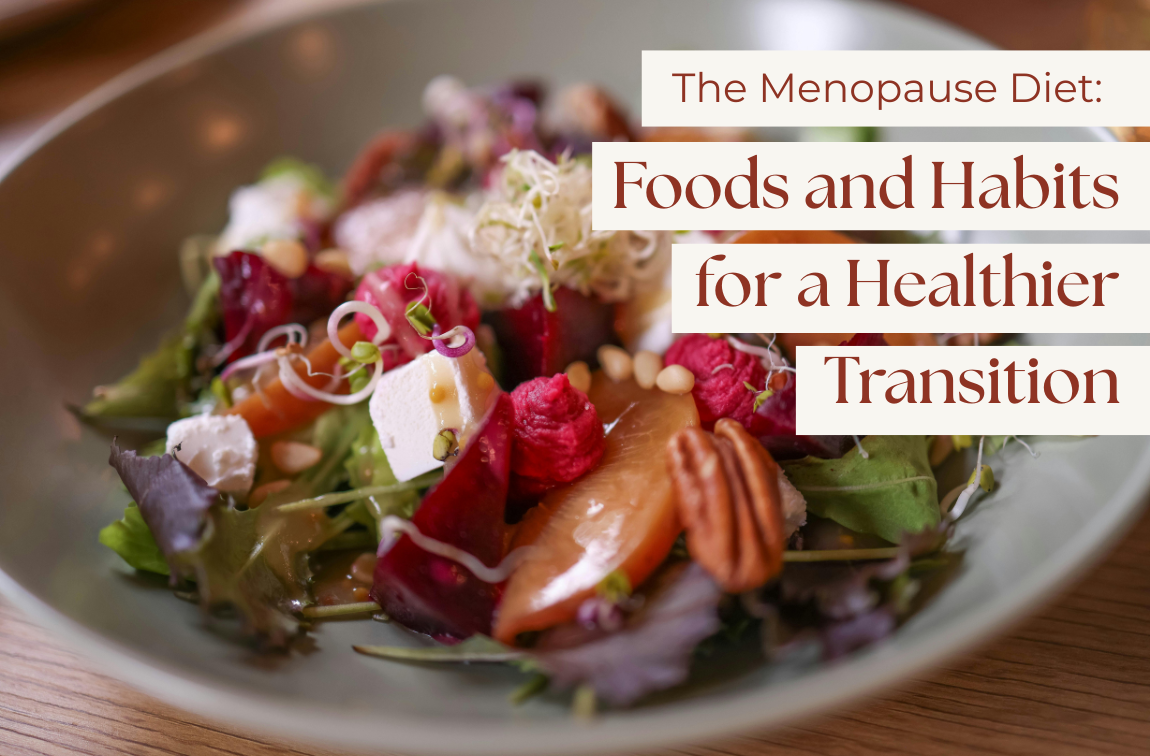
The Menopause Diet: Foods and Habits for a Healthier Transition
For many women, menopause is a time of profound change. It brings a shift not only in hormones but also in lifestyle, body image, and health. As you navigate through this natural phase of life, it's essential to understand how nutrition can help ease the transition and promote long-term wellness. From foods that combat menopause symptoms to small lifestyle changes that can have big impacts, we'll look at a variety of ways you can support your body during this time.
Menopause Diet: Key Concepts and Nutritional Needs
The hormonal upheaval during menopause, particularly the decline in estrogen, can increase the risk of osteoporosis, cardiovascular disease, and altered metabolic states. A menopause-supportive diet can be a powerful ally in the face of these challenges. Let's explore some dietary principles aimed at enhancing your health during and after this transition.
Principles of a Menopause-Supportive Diet
A diet geared towards women going through menopause should focus on several key elements:
- Fiber-rich foods: Ample fiber aids in digestion, helps regulate blood sugar levels, and can be effective in managing weight—a common concern during menopause. This can be achieved by incorporating whole grains, legumes, fruits, and plenty of vegetables into your meals.
- Moderate protein intake: With age comes a gradual loss in muscle mass. Lean proteins can help preserve muscle. Consider adding fish, skinless poultry, tofu, and legumes to your diet. Here’s what most women overlook: as estrogen declines, muscle becomes your metabolic insurance policy. Without enough protein and resistance training, your body loses lean mass quietly — and everything feels harder.
- Healthy fats: Hormones thrive on a certain level of healthy fats. Foods rich in monounsaturated and polyunsaturated fats, such as avocados, nuts, seeds, and oils like olive and flaxseed, should be included.
One easy-to-follow guideline that incorporates each of these facets is the Mediterranean diet, which is packed with fruits, vegetables, whole grains, and healthy fats. It's also rich in calcium and vitamin D, key nutrients for maintaining strong bones as estrogen levels drop.
Foods for Balancing Hormones and Managing Symptoms
Certain foods have been found to offer benefits that can help mitigate menopause symptoms and foster hormonal equilibrium.
8 Foods to Fight Symptoms of Menopause
1. Whole soy foods: Soybeans and their derivatives, like tofu and tempeh, contain isoflavones, which may mimic estrogen in the body and can alleviate hot flashes.
2. Flaxseeds: These seeds are not only a good source of fiber and omega-3 fats but are also renowned for their lignans, which might have an estrogenic effect.
3. Sesame seeds and oil: Not only do they provide healthy fats, but they are also another source of phytoestrogens which can help with the symptoms of menopause.
4. Omega-3 fats: Essential fatty acids, particularly EPA and DHA from fatty fish like salmon, can help with hormone production and reduce the risk of heart disease.
5. Fruits and vegetables: They're nutrient-dense, high in fiber, and full of antioxidants that help protect the body from various diseases.
6. Leafy greens: Greens such as kale, spinach, and bok choy are significant sources of calcium necessary for maintaining bone health and may also offer vitamin D.
7. Herbal teas: Specific herbal teas, like chamomile, may aid in relaxation and potentially reduce menopausal symptoms like sleep disturbances.
8. Fermented foods: Yogurt, kefir, and other fermented foods contain probiotics. These good bacteria can improve gut health, which is crucial for overall well-being and can ease menopausal symptoms related to digestion and bloating.
Of course, not every woman going through menopause will react the same way to a diet. A genomics test can take the guesswork out of finding the best diet for you. It will help determine which diet is best for your genomic makeup, guiding you towards incorporating specific foods that align with your genetic predispositions for optimal hormone balance and symptom management.
Herbal Support for Menopause Symptoms
Herbal remedies have been used for centuries to help with countless health issues, including menopause symptoms.
3 Essential Herbs for Hormone Balance and Vaginal Dryness
1. Black cohosh: This herb has gained attention for its potential to ease hot flashes and night sweats without the side effects associated with hormone replacement therapy.
2. Red clover: Rich in isoflavones, red clover has been suggested as a natural remedy for hot flashes and vaginal dryness.
3. Evening primrose oil: High in gamma-linolenic acid (GLA), this oil is popular for its ability to help manage skin dryness, as well as the dryness of mucous membranes, including vaginal dryness.
Consult a healthcare provider before taking herbal supplements, especially if you're on medication, to ensure they're appropriate for your situation.
Lifestyle Habits for a Healthier Menopause Transition
Diet is just one piece of the wellness puzzle during menopause. Integrating these lifestyle habits can further smooth the transition:
- Regular exercise: Physical activity is paramount. Strive for at least 150 minutes per week of moderate aerobic activity coupled with muscle-strengthening exercises.
- Stress reduction: Chronic stress can worsen menopause symptoms. Engage in regular relaxation practices such as meditation, deep breathing, or yoga to manage stress levels.
- Sleep hygiene: Good sleep is often elusive during menopause. Avoid caffeine close to bedtime, establish a regular sleep schedule, and create a comfortable sleep environment to promote better sleep quality.
By combining a nutrient-rich diet with supportive herbs and positive lifestyle changes, women can gain a sense of control and empowerment over their bodies during the menopause transition. The goal is to move through this natural process with grace and vitality, managing symptoms effectively without compromising on quality of life.
Here at FemGevity Health, we are dedicated to your holistic wellness. Remember, each woman's experience with menopause is unique, and what works for one may not work for another. It may take some time to find the right combination of diet, herbs, and lifestyle habits that make your journey through menopause as smooth as possible. But with patience, experimentation, and a focus on nourishment from the inside out, you can create a solid foundation for health well into your later years.
Ready to take the next step towards wellness? Book your free consultation with FemGevity today and get a personalized treatment plan for managing menopause symptoms.

A February Reset Rooted in Clarity, Care, and Vitality
By February, most of us are no longer thinking about resolutions. Or maybe we are thinking the resolutions we had are “over done”.
Either our lists have list’s. Or maybe the urgency of January has softened. For me what remains are thoughts that feel a little more honest: a growing awareness that this year isn’t about pushing harder - it’s about living differently.
2026 doesn’t feel like a blank slate. It feels like a pivot point. A season where experience meets discernment, and where the question is no longer What should I do next? but What truly deserves my energy now?
Below are eight transformation goals for all of us women in midlife—not as resolutions, but as identity-level shifts that support hormone health, emotional wellbeing, sustained energy, and a deeper sense of self-trust.
From Fragmented → Whole
Reclaiming Integration in Midlife
Many of us arrive at midlife feeling split across roles: caregiver, professional, partner, parent, leader. The first transformation is integration—allowing all parts of yourself to coexist without constant negotiation.
This looks like:
- Releasing expectations that pull us in opposing directions
- Creating boundaries that protect our energy
- Letting go of roles we’ve outgrown
When this shift takes hold, life feels less scattered—and more intentional.
From Pushing Through → Being Properly Supported
Redefining Strength
Midlife often exposes our limitations, “pushing through” is no longer appealing. Hormonal changes, stress, and nervous system fatigue make it clear: resilience isn’t about endurance—it’s about support.
This transformation includes:
- Asking for help earlier
- Accepting care without guilt
- Investing in proactive health support, not crisis management
True strength in midlife is knowing we don’t have to do everything alone.
From Proving → Honoring Your Authority
Trusting Earned Wisdom
By midlife, we carry decades of lived experience. Yet many women in midlife still feel the need to explain, justify, or minimize our insight. This is just old patterning.
This shift is about trusting what you already know.
It looks like:
- Speaking with clarity instead of over-explaining
- Choosing environments where our experience is valued
- Letting go of spaces that require that we to shrink
When we honor our authority, we feel grounded—not defensive.
From Busy → Purposeful
Choosing Impact Over Motion
Constant busyness is often a sign of misaligned priorities. Midlife clarity allows women to refine—to do less, but with greater meaning.
This transformation includes:
- Fewer commitments with deeper resonance
- Letting go of urgency as a default state
- Creating space for what actually moves the needle
Purpose replaces pressure.
From Managing Life → Designing Life
Living with Intention
Midlife is an invitation to stop managing and start designing our days, routines, environment, and rhythms.
This might look like:
- Structuring our schedule around our energy, not expectations
- Creating a home and workspace that feels restorative
- Treating beauty, pleasure, and rest as essential—not indulgent
Designing our life is a form of self-respect.
From Visibility Pressure → Resonant Presence
Showing Up Without Performance
Many women feel exhausted by the pressure to be visible, relevant, or “on.” Midlife allows a quieter, more powerful form of presence.
This shift looks like:
- Sharing when it feels true—not obligatory
- Letting our voice soften while becoming more precise
- Releasing comparison
Resonant presence attracts the right people—without effort.
From Control → Trusting Yourself
Rebuilding the Inner Compass
Midlife often brings uncertainty—but also a deeper capacity for trust. Not blind optimism, but confidence in our ability to respond, adapt, and choose again.
This includes:
- Allowing room for the unknown
- Balancing intuition with information
- Letting life surprise us
Trust replaces anxiety when you remember you are capable.
From Survival Mode → Sustained Vitality
Honoring Energy and Hormone Health
Perhaps the most important transformation: moving out of survival mode.
Those of us in midlife often sacrifice sleep, nourishment, and stress regulation to keep everything running. But vitality requires a different approach.
This looks like:
- Supporting hormones, sleep, and stress proactively
- Treating the nervous system as a foundation for health
- Designing work and life around the body—not against it
Vitality isn’t a luxury. It’s the baseline.
February Is the Real Reset
February offers something January can’t: honesty.
By now, we know what isn’t working and what we are craving instead. This is the moment to choose alignment over ambition, care over control, and integration over exhaustion.
At FemGevity, we believe midlife is a recalibration. One that deserves informed support, compassionate care, and a vision rooted in long-term wellbeing.
If 2026 is asking you to live differently, you’re right on time.
6 Perimenopause Symptoms That Sneak Up on You (and What Actually Helps)
For many women, perimenopause doesn’t arrive with a clear sign or diagnosis. It shows up quietly: sleep that won’t cooperate, moods that feel unfamiliar, weight gain that ignores your usual routines. And because no one taught us what perimenopause actually looks like, it’s easy to assume this is just stress… or aging… or something we should push through.
It’s not.
Perimenopause is the transition before menopause, and it often begins in the late 30s or early 40s. During this time, estrogen and progesterone start fluctuating—and eventually declining. This phase can last years (sometimes up to a decade), which means symptoms can build slowly and feel confusing if no one connects the dots.
We all hear about hot flashes—and yes, they’re common and very treatable. But today, we want to talk about the lesser-known symptoms that tend to catch women off guard.
Let’s take a look at the stages
Early Perimenopause
Hormones—especially progesterone—start to fluctuate. Periods may become unpredictable. You might notice changes in sleep, memory, temperature regulation, or vaginal comfort.
Late Perimenopause
Estrogen and progesterone decline more significantly. Periods are skipped more often, and symptoms like mood changes, sleep disruption, achy joints, and hot flashes may intensify.
Menopause
Defined as 12 consecutive months without a period (for no other medical reason). The average age is 51, but it can happen earlier.
Postmenopause
This phase lasts the rest of your life—and hormone health still matters. Bone density, heart health, vaginal health, energy, and overall quality of life are all affected by hormonal balance long after periods stop.
Menopause isn’t the end of the story. It’s the beginning of a new one.
1. When Your Jeans Betray You Overnight
(Weight Gain—Especially Around the Middle)
If your body suddenly started storing weight in your midsection—and your usual diet and workouts aren’t working—you’re not imagining it.
As estrogen declines, metabolism slows and fat distribution changes. This type of belly weight isn’t just frustrating; it’s also linked to higher risks of heart disease, diabetes, and inflammation.
Healthy eating and movement still matter—but for many women, they’re no longer enough on their own. Supporting hormones can help your body respond to those efforts again, rather than working against them.
2.Anxious, Moody, and… Why Did I Walk Into This Room?
Perimenopause doesn’t just affect your body—it deeply affects your brain. Fluctuating estrogen and progesterone influence neurotransmitters that regulate mood, focus, and emotional resilience. Add disrupted sleep, and suddenly anxiety, irritability, low mood, and brain fog appear out of nowhere.
These years also tend to be full—careers, aging parents, kids leaving home, big life shifts. It’s easy to blame stress alone. But hormones often play a much bigger role than we’re told.
When hormonal changes are addressed, many women experience calmer moods, clearer thinking, and a sense of themselves returning.
3. What’s with the headaches & Why Do My Knees Sound Like Popcorn?
Estrogen helps keep inflammation in check. When levels drop, inflammation can rise—leading to joint stiffness and pain, especially in the knees, hips, shoulders, neck, and hands. Old injuries may resurface, too.
Headaches and migraines can also change during perimenopause. Some women experience them for the first time; others notice shifts in frequency or intensity.
These symptoms are often dismissed as “just aging,” but hormones and supplements are frequently the missing piece.
4. Exhausted but Wide Awake at 3:17 a.m.
Sleep problems are one of the most common—and most disruptive—perimenopause symptoms.
Progesterone is naturally calming. As it declines, falling asleep or staying asleep becomes harder. Estrogen fluctuations can further disrupt sleep cycles, leaving you tired but wired.
When hormones are supported appropriately, sleep often improves dramatically. Pair that with simple nighttime rituals—lower lights, fewer screens, cooler rooms—and rest starts to feel possible again.
And yes, it matters. Sleep affects everything.
5. I Love You, But My Body Has Notes
Changes in Libido, Arousal, and Comfort
Lower hormone levels can impact desire, arousal, and physical comfort during sex. Vaginal tissues rely on estrogen to stay healthy; without it, dryness and discomfort are common.
This is incredibly common—and very treatable.
Targeted hormonal support can restore tissue health, improve comfort, and help women feel at home in their bodies again—without pain or frustration.
6. Dry Skin, Thinning Hair, and Eyes That Suddenly Need Readers
Hormones play a big role in collagen production and moisture retention. As estrogen, progesterone, and testosterone decline, skin may become drier, thinner, itchier, or more prone to wrinkles. Hair may feel less full or resilient.
Many women are surprised to learn that the eyes are often one of the first places hormones show up—dryness, irritation, or subtle vision changes are all common during perimenopause.
Supporting hormones can help protect skin, hair, and eye health—and reduce flare-ups like acne, eczema, or allergies that sometimes appear during this phase.
The FemGevity Perspective
Perimenopause isn’t something to tough out or ignore. It’s a biological transition that deserves understanding, compassion, and personalized care.
When we recognize what’s happening—and support the body instead of fighting it—women don’t just “get through” this phase. They feel stronger, clearer, and more like themselves again.
You deserve care that meets you where you are. Reach out to FemGevity for a free consultation. LINK FOR A FREE CONSULT

2026: A Threshold Year for American Women
A Reflection on Power, Health, and the Future We’re Creating
There are years that move quietly — and then there are years that feel like a threshold.
2026 is one of those years.
For many women in the United States, especially those in midlife, this moment carries a layered weight. Not panic. Not despair. But a deep, unmistakable awareness that something is shifting — in our bodies, in our culture, and in what we are no longer willing to tolerate.
This is not the loud kind of change.
It’s the kind that begins internally.
The Quiet Reckoning
Across kitchen tables, doctor’s offices, group texts, and late-night thoughts, women are asking different questions than they did even a few years ago:
- Why does caring for myself still feel like an afterthought?
- Why am I expected to power through exhaustion — hormonally, emotionally, energetically — as if it’s a personal failure instead of a biological reality?
- Why does aging still feel like something to fix rather than something to understand?
These questions aren’t coming from weakness.
They’re coming from wisdom.
Women are no longer asking for permission to feel better. They’re asking for systems that actually support health, longevity, and dignity — especially in the decades when their influence, insight, and leadership are at their peak.
Midlife Is Not a Decline — It’s a Redirection
For generations, menopause was framed as an ending. A loss of youth, ease, relevance.
But what if it’s something else entirely?
What if this phase is a recalibration — the body asking for a new operating system?
What if the symptoms are not betrayals, but signals?
What if midlife is the moment when intuition sharpens, boundaries strengthen, and self-abandonment finally becomes untenable?
The truth many women are discovering is this:
You don’t need to become someone new — you need care that finally takes you seriously.
A New Model of Women’s Health Is Emerging
The old model told women to endure.
The new model asks women to understand.
Understand hormones not as mysteries, but as messengers.
Understand energy, sleep, mood, cognition, libido, and weight as interconnected — not isolated complaints.
Understand that proactive, personalized care is not indulgent. It’s intelligent.
This shift isn’t about “biohacking” or chasing youth.
It’s about agency.
It’s about women saying:
- I want to feel clear.
- I want to feel steady.
- I want to feel like myself — for decades to come.
Why This Moment Matters
Culturally, the U.S. feels uncertain right now. Institutions are questioned. Futures feel less predictable. And yet — in times like these, women have always been the stabilizers, the recalibrators, the ones who quietly redesign life from the inside out.
What’s different now is this:
Women are refusing to do that work at the expense of their own health.
They are choosing sustainability over sacrifice.
Longevity over martyrdom.
Care over coping.
And that choice — multiplied across millions of women — is profoundly powerful.
The Vision Forward
The future of women’s health isn’t louder.
It’s smarter.
It’s data-informed and deeply human.
It’s preventative, not reactive.
It treats midlife not as a crisis — but as a strategic inflection point.
At FemGevity, we believe this era is an invitation:
To listen more closely to your body.
To demand better care.
To redefine what vitality looks like after 40, 50, and beyond.
Because the most visionary thing a woman can do right now isn’t to push harder.
It’s to choose care that allows her to stay present, powerful, and fully herself — for the long life ahead.

Menopause and Vision Changes: Managing Dry Eyes, Blurred Vision, and Other Symptoms
Menopause is a natural biological process that occurs in women, typically between the ages of 45 and 55, when the ovaries stop producing eggs and hormone levels decrease. While menopause is often associated with hot flashes, mood swings, and vaginal dryness, it can also have a significant impact on vision. In fact, many women experience changes in their vision during menopause, including dry eyes, blurred vision, and increased sensitivity to light.
Menopause is a complex process that affects women's bodies in various ways. During menopause, the levels of estrogen and progesterone hormones decrease, leading to a range of physical and emotional symptoms. The symptoms of menopause can vary from woman to woman, but common complaints include hot flashes, night sweats, mood changes, and vaginal dryness.
Link Between Menopause and Vision Changes
The link between menopause and vision changes is not fully understood, but research suggests that hormonal fluctuations play a significant role. Decreases in estrogen and progesterone levels can affect the eyes, leading to dryness, irritation, and blurred vision. Additionally, menopause can cause changes in the shape of the cornea, leading to astigmatism and other refractive errors.
Biological Changes that Affect the Eyes During Menopause
During menopause, the eyes undergo significant biological changes that can affect vision.
Decrease in Androgen Hormone Levels
Androgens, such as testosterone, play a crucial role in the health of the eyes. Decreases in androgen levels during menopause can lead to dry eyes, as the meibomian glands, which produce the oily layer of tears, are androgen-dependent.
Impact on Meibomian and Lacrimal Glands
The meibomian glands, located in the eyelids, produce the oily layer of tears that helps to prevent evaporation. The lacrimal glands, located under the eyebrow bone, produce the watery layer of tears that helps to lubricate the eyes. During menopause, the meibomian glands can become less active, leading to dry eyes, while the lacrimal glands can become overactive, leading to excessive tearing.
Prevalence of Dry Eye Syndrome in Menopausal Women
Dry eye syndrome is a common condition that affects millions of people worldwide. During menopause, the risk of developing dry eye syndrome increases significantly. According to the American Academy of Ophthalmology, up to 60% of menopausal women experience dry eye syndrome.
Role of Hormone Replacement Therapy in Managing Dry Eye Symptoms
Hormone replacement therapy (HRT) is a common treatment for menopausal symptoms, including hot flashes and vaginal dryness. However, HRT can also have a positive impact on dry eye symptoms. Estrogen, in particular, has been shown to increase tear production and reduce inflammation in the eyes.
Managing Dry Eyes and Blurred Vision
Lifestyle Changes to Prevent Dry Eye Irritants
Making simple lifestyle changes can help to prevent dry eye irritants and reduce symptoms.
Lower Computer Screen
When working on a computer, it's essential to position the screen directly in front of you and at a comfortable distance. This can help to reduce eye strain and prevent dry eyes.
Remove Drafts
Drafts from air conditioning or heating vents can dry out the eyes. Removing drafts or using a humidifier can help to keep the eyes moist.
Wear Wraparound Sunglasses
Wearing wraparound sunglasses can help to protect the eyes from wind, dust, and UV rays, all of which can contribute to dry eyes.
Environmental Changes to Help Prevent Dry Eye
Making environmental changes can also help to prevent dry eye.
Increase Intake of Omega-3 Fatty Acids and Vitamin A
Omega-3 fatty acids and vitamin A are essential for eye health. Increasing intake of these nutrients through diet or supplements can help to reduce inflammation and promote healthy tear production.
Avoid Contact Lenses
Contact lenses can exacerbate dry eye symptoms by reducing tear production and increasing inflammation. Avoiding contact lenses or switching to daily disposables can help to reduce symptoms.
Over-the-Counter and Prescription Treatments
There are many over-the-counter and prescription treatments available for dry eyes and blurred vision.
Artificial Tears
Artificial tears can help to lubricate the eyes and reduce dryness. Preservative-free artificial tears are recommended for frequent use.
Lubricating Eye Drops
Lubricating eye drops can help to moisturize the eyes and reduce inflammation.
Oral Antibiotics
Oral antibiotics can help to reduce inflammation and promote healthy tear production.
Corticosteroid Eye Drops
Corticosteroid eye drops can help to reduce inflammation and promote healthy tear production.
Punctal Plugs
Punctal plugs are small devices that are inserted into the tear ducts to block drainage and increase tear production.
Topical Cyclosporine A
Topical cyclosporine A is a medication that can help to increase tear production and reduce inflammation.
Cholinergic Drugs
Cholinergic drugs can help to increase tear production and reduce inflammation.
Eye Inserts
Eye inserts are small devices that are inserted into the eyes to release medication and lubricate the eyes.
Special Contact Lenses
Special contact lenses, such as scleral lenses, can help to protect the eyes and promote healthy tear production.
Hormone Replacement Therapy as a Treatment Option
Hormone replacement therapy (HRT) can be an effective treatment option for menopausal women experiencing dry eye symptoms.
1.Potential Benefits and Risks
HRT can help to increase tear production, reduce inflammation, and promote healthy eye function. However, HRT also carries risks, including increased risk of blood clots, stroke, and breast cancer.
2. Individual Considerations and Preferences
HRT is not suitable for all women, and individual considerations and preferences should be taken into account. Women should discuss the potential benefits and risks of HRT with their healthcare provider.
Final Thoughts
Menopause can have a significant impact on vision, leading to dry eyes, blurred vision, and increased sensitivity to light. Hormonal fluctuations, particularly decreases in estrogen and progesterone levels, can affect the eyes, leading to dryness, irritation, and blurred vision. Lifestyle changes, environmental changes, and over-the-counter and prescription treatments can help to manage symptoms.
It's essential for women to discuss menopause-related concerns with their eye doctors. Early detection and treatment of eye conditions can help to prevent complications and improve quality of life.
Early detection and treatment of eye conditions during menopause are crucial. Women should prioritize their eye health and seek medical attention if they experience any changes in their vision or eye comfort. By taking proactive steps to manage symptoms and prevent complications, women can maintain healthy vision and improve their overall quality of life during menopause.
